
By Zan Tomko
As August ends and September begins, it’s once again back-to-school time. Whether or not you're ready for summer to end, it’s the perfect time to brush up on math skills that may have become a little rusty over the past few months (or years). Believe it or not, the Arboretum is just the place for a quick refresher.
Today’s lesson comes in the form of the Fibonacci sequence — on display all around the Arboretum.
This number sequence begins with these digits: 0, 1, 1, 2, 3, 5, 8, 13, 21, 34, 55 and continues so on. It's a simple pattern — every number is the sum of the two numbers that precede it. This simple but elegant idea might be the built-in numbering system of the universe. This Fibonacci sequence drawn out on a piece of graph paper — using boxes to represent the numbers — creates a spiral shape known as “the golden spiral.”
This Fibonacci sequence shows up in math, science, architecture, design and art and in so many places at the Arboretum. Its relationship to nature is well illustrated in this video.

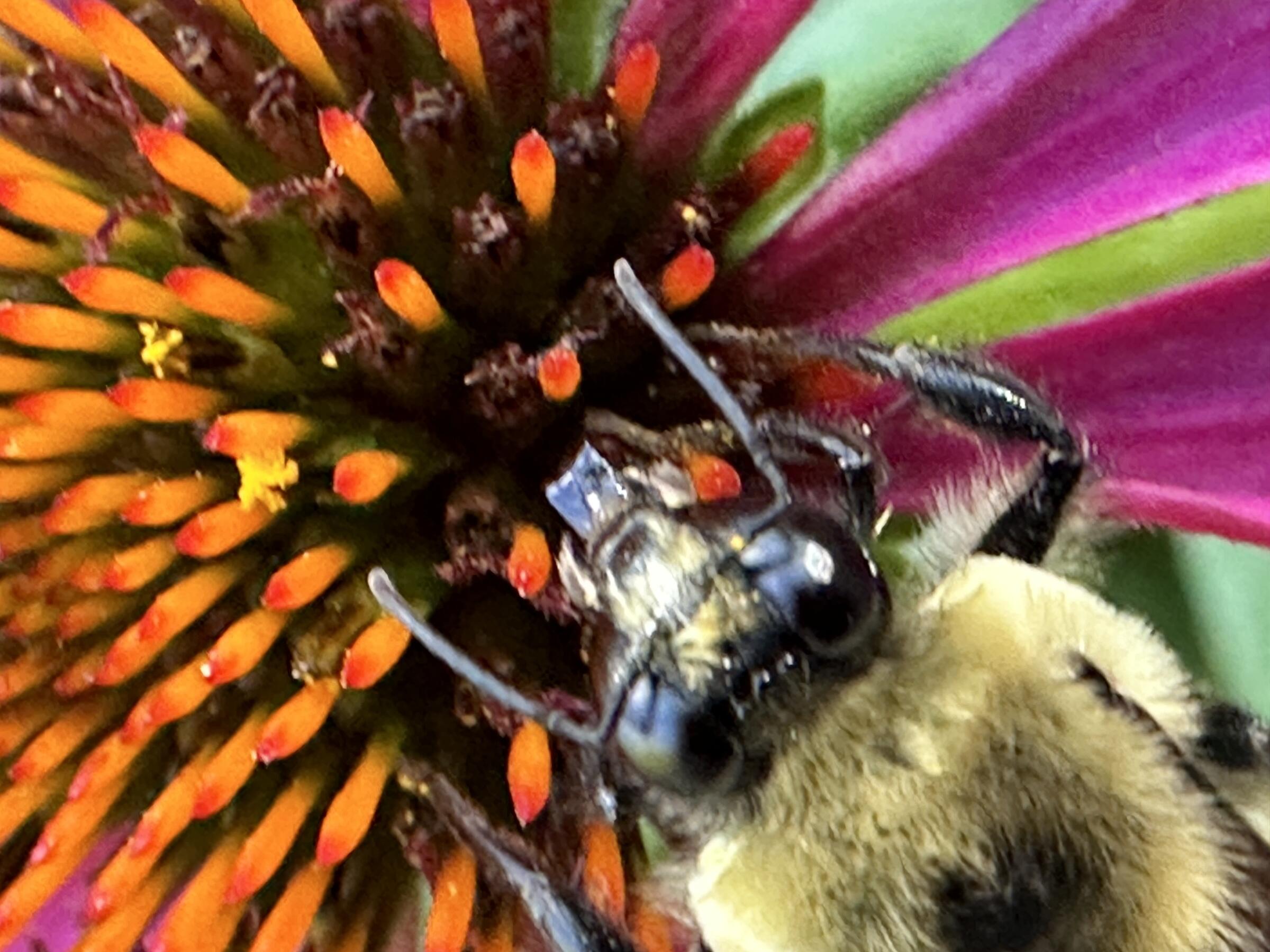
You can clearly see the spiral form in the seedhead of coneflowers. Coneflowers are everywhere at the Arboretum. In some places, the petals are gone, but the seedhead (cone) shows trails of spirals. Some coneflowers are late-bloomers and find their time to shine in late summer. You can spot coneflowers on display in front of the Andrus Learning Center.


If you are at the Andrus Learning Center to attend a class, stop into the beautiful tropical greenhouse to see many succulents and cacti that follow the same spiral set by the Fibonacci sequence — which creates efficiency during growth. How many can you find there?
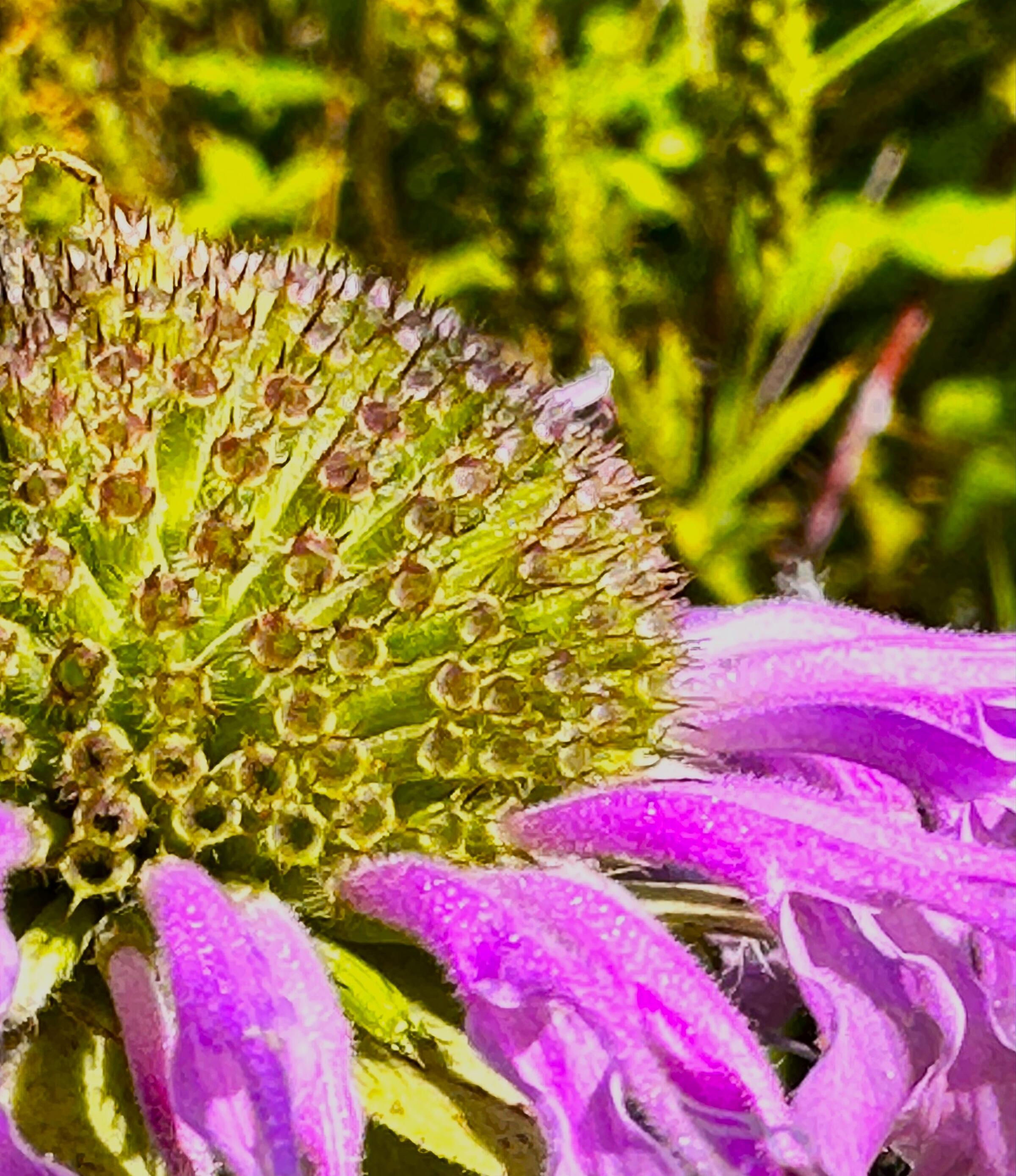
The Bennett-Johnson Prairie and adjoining Prairie Garden are full of numbers if you take the time to look. As you walk the prairie trail or visit the peaceful Prairie Garden — seedheads, flowers and even bur oak acorn caps display the same intriguing pattern.


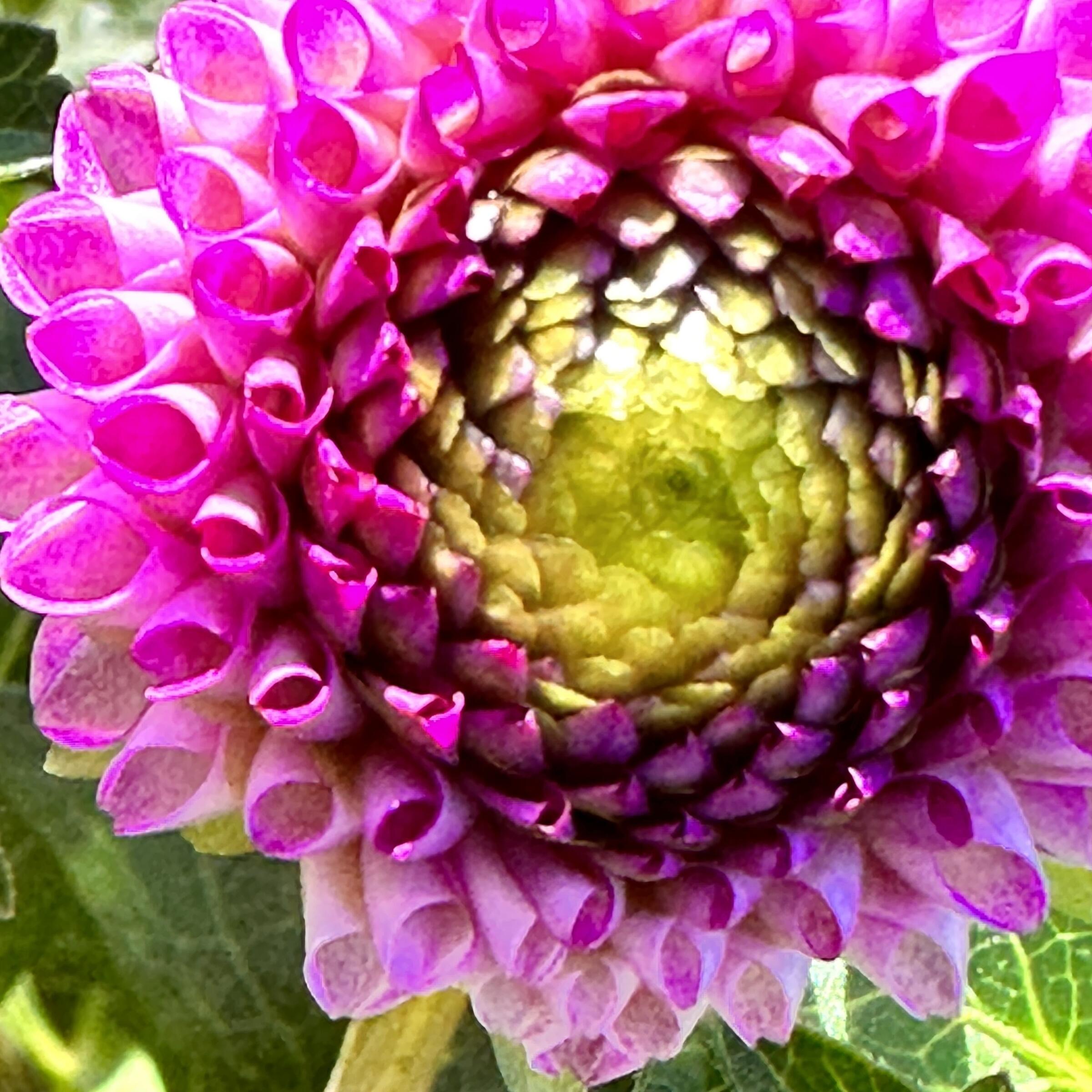
The Dahlia Trial Garden is a focal point for spying Fibonacci numbers in nature! This display is a labor of love maintained by the Dahlia Society of Minnesota. As we think about heading back to school, this trial garden puts the dahlias planted in its beds to the test. New dahlias are quizzed throughout the season to see how they perform in our northern climate.
The Fibonacci sequence can be found in an array of pom-pom, single and large dinner-plate varieties in the beds. August and September are favorite months for dahlias just as dahlias are a favorite snack for white-tailed deer, so be sure to close the gate when you leave!
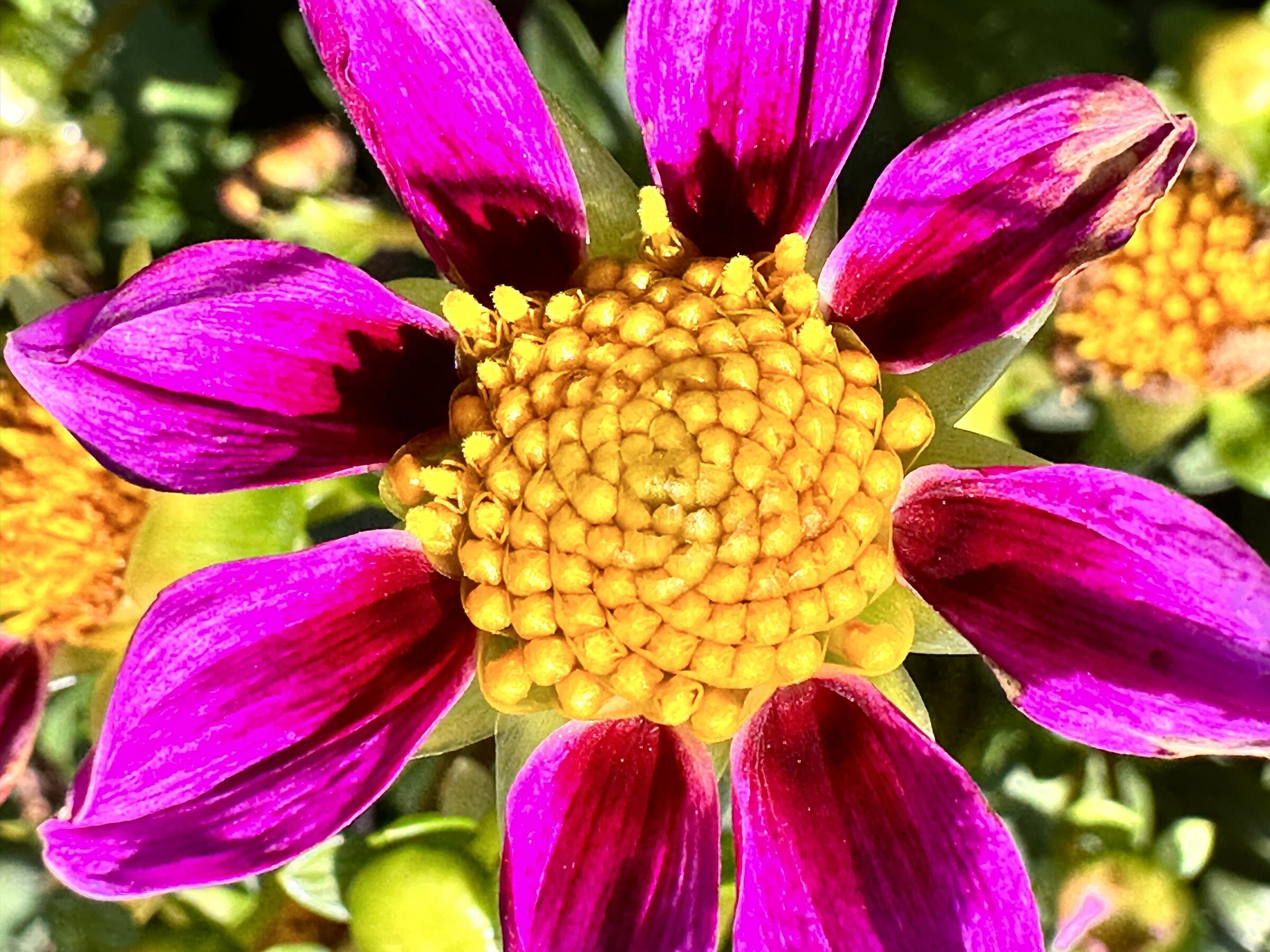

The beauty of the Fibonacci sequence is that it allows for the maximum number of seeds on a seed head. As the individual seeds grow towards the outside, the center of the seed head is able generate new seeds, pushing those at the periphery outwards so the growth can continue. Nowhere is this more evident and beautiful than in the seedhead of sunflowers.
The seedhead matures in concentric circles from the edge where the oldest flowers are, to the middle where the youngest flowers are developing. This is good news for the bees, who make return trips to the same flower for fresh pollen! As the saying goes, “one sunflower feeds 100 bees,” thanks to the Fibonacci sequence.


Use your camera or a magnifying glass and follow the trail of Fibonacci numbers throughout the Arboretum — you will find many more once you start looking.
While you are adding up sums on this numeric garden tour, keep an eye out for the Wild Rice Moon of the Dakota People. This season of change from Aug. 27 to Sept. 24 is known as the time of the Wild Rice Storing Moon, Psinhnaketu Wi.
Keep an eye out for the Fibonacci sequence across the grounds on your next visit to the Arboretum, and be sure to count your blessings in this season of transition.
Zan Tomko is an artist, horticulturalist and a Minnesota Master Naturalist.